2026-08-03 06:03:47
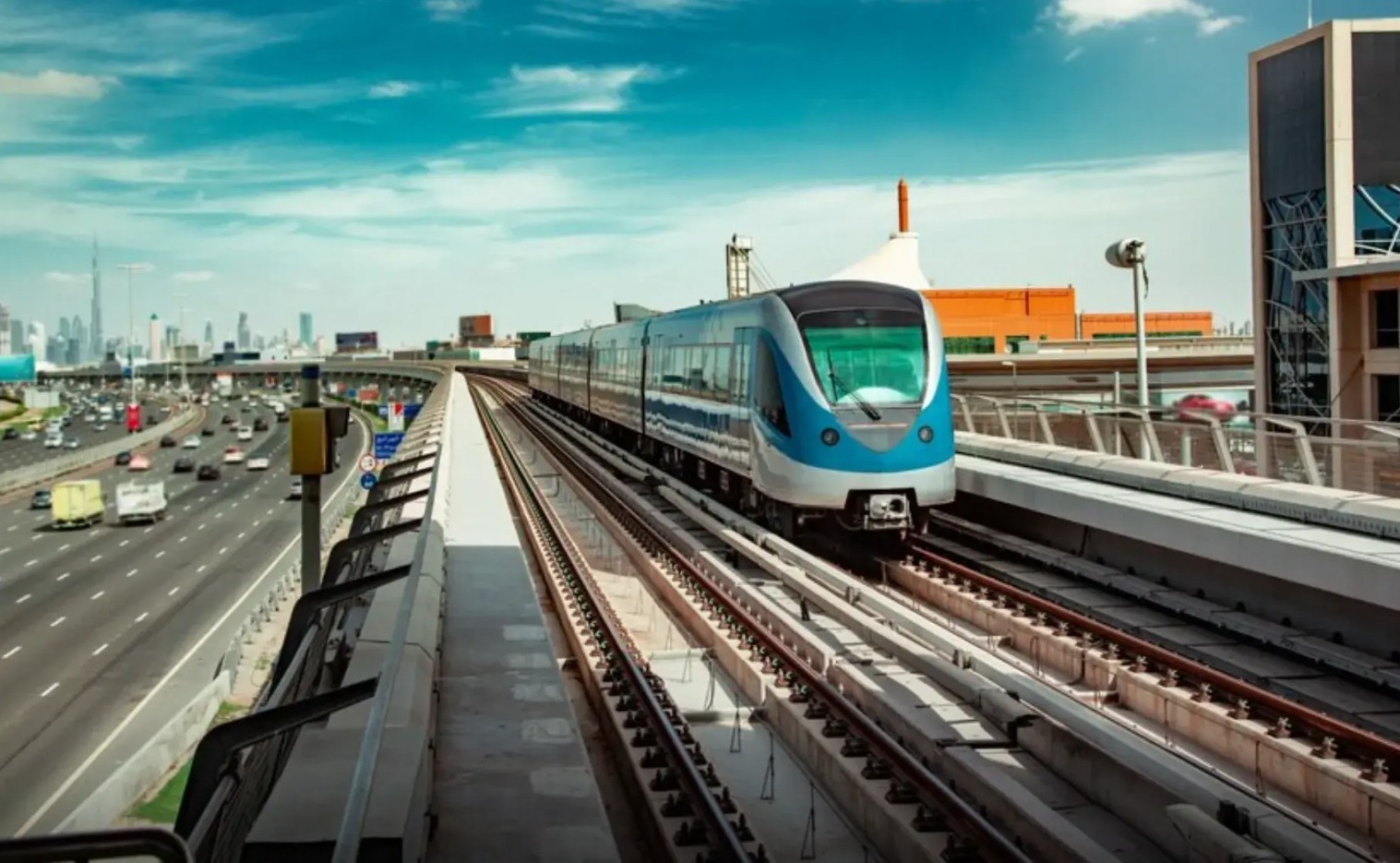
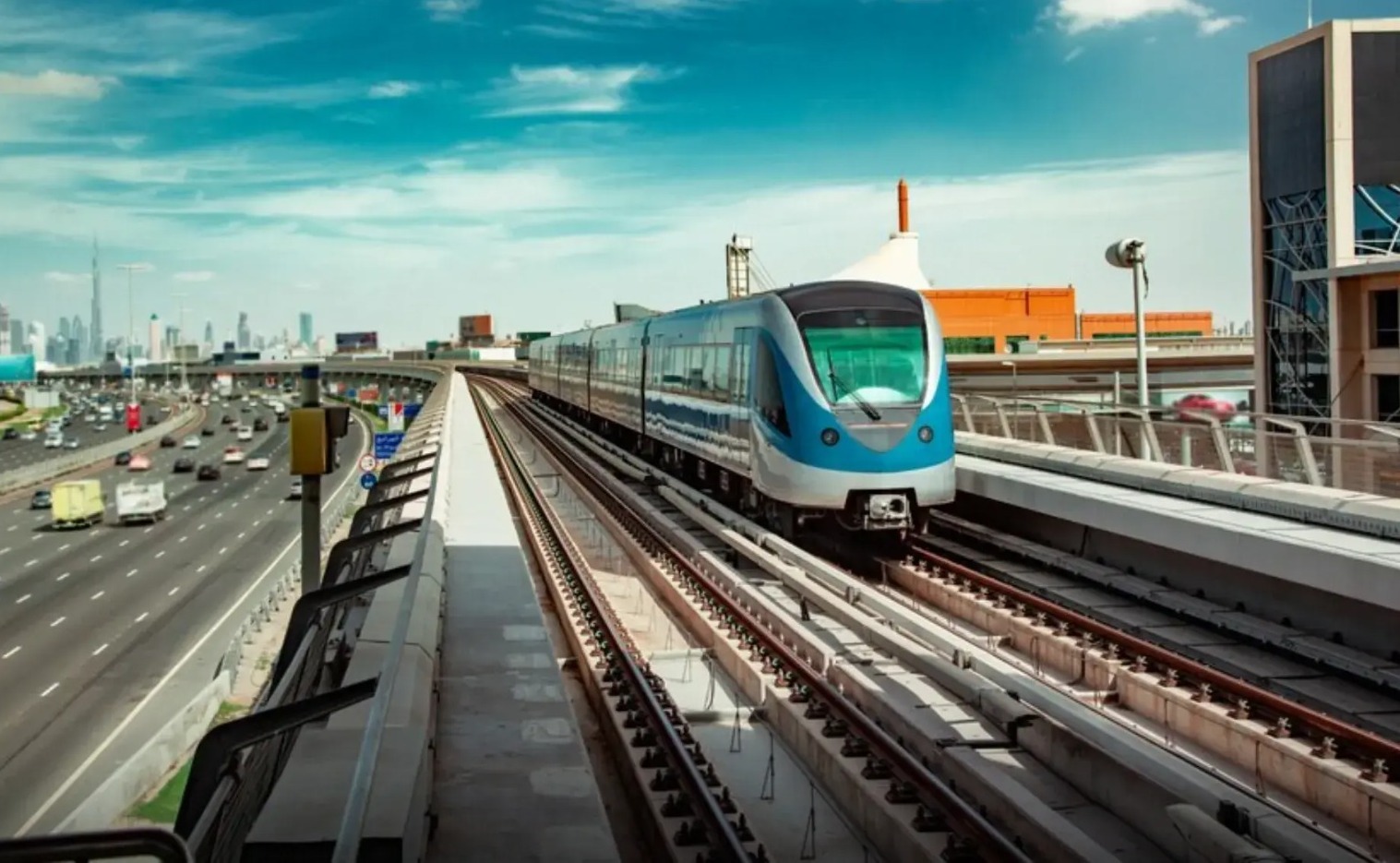
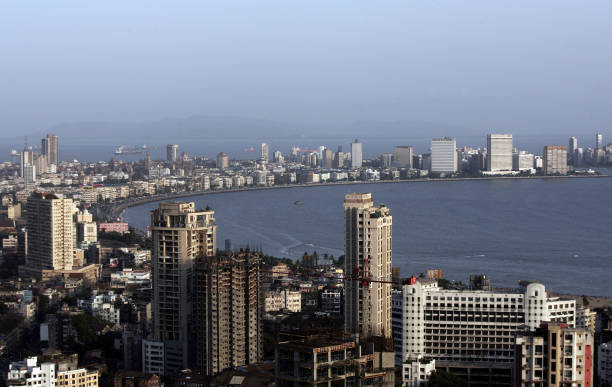
The real estate market in Mumbai and Navi Mumbai is on the brink of a major transformation — thanks to a flurry of upcoming Metro rail projects. Improved connectivity has always been a key driver of property value appreciation, and the Mumbai Metro expansion (2025–2030) is poised to unlock immense potential in both residential and commercial sectors.
If you're a homebuyer or an investor, here's how the Metro boom is reshaping Mumbai’s property map.
Before diving into the new routes, let’s understand why Metro projects are game-changers:
Faster commute = more demand for homes nearby
Reduces traffic and pollution, making areas livable
Brings attention to underrated suburbs
Increases value of rental properties (especially near stations)
Promotes commercial growth — malls, offices, retail spaces
Status: Operational (Phase 1); full rollout expected by 2025
Why it matters: Connects key Western suburbs like Borivali, Kandivali, and Andheri
Hotspots: Goregaon West, Oshiwara, Malad
✅ Ideal for mid-budget residential and office buyers
Status: Operational in parts
Impact: Will connect commuters from the north-west suburbs to the Western Express Highway
Hotspots: Kandivali East, Jogeshwari, Andheri East
✅ Expect rising demand for rentals and commercial property
Status: Under construction; expected by 2026
Why it’s big: Seamless connectivity to Mira Road & Bhayander, previously underserved
Hotspots: Mira Road, Kashimira, Shimpoli
✅ Property values in Mira Road already seeing upward movement
Status: Under construction; completion target: 2027–28
Why it matters: Opens up Bhiwandi (a warehousing hub) and Kalyan to fast-track development
Hotspots: Kalyan West, Bhiwandi, Majiwada
✅ Affordable housing with future appreciation potential
Status: Final testing phases; expected 2025
Why it's important: Boosts accessibility in fast-developing areas of Navi Mumbai
Hotspots: Taloja, Kharghar, Kalamboli
✅ CIDCO projects and township developments to benefit
Status: Under construction; expected by 2026–27
Why it’s critical: Cuts across central Mumbai to Thane
Hotspots: Mulund, Ghatkopar, Vikhroli, Thane West
✅ Premium and upper mid-segment homes along the corridor will see growth
Here’s a list of metro-influenced property micro-markets that are still affordable in 2025, but likely to surge by 2030:
| Area | Metro Line | Current Rate (₹/sq.ft) | 2030 Growth Potential |
|---|---|---|---|
| Taloja | Navi Mumbai Metro | ₹6,000–7,000 | ???? High (New demand + airport access) |
| Mira Road | Line 9 | ₹8,000–9,000 | ???? Moderate to High |
| Kandivali East | Line 7 | ₹14,000–16,000 | ???? Stable appreciation |
| Bhiwandi | Line 5 | ₹4,500–5,500 | ???? High (Logistics + residential combo) |
| Ghatkopar | Line 4 | ₹18,000+ | ???? Premium zone surge |
(Rates are indicative; may vary by project and builder.)
Many leading developers are launching Metro-adjacent projects with:
Skywalks to stations
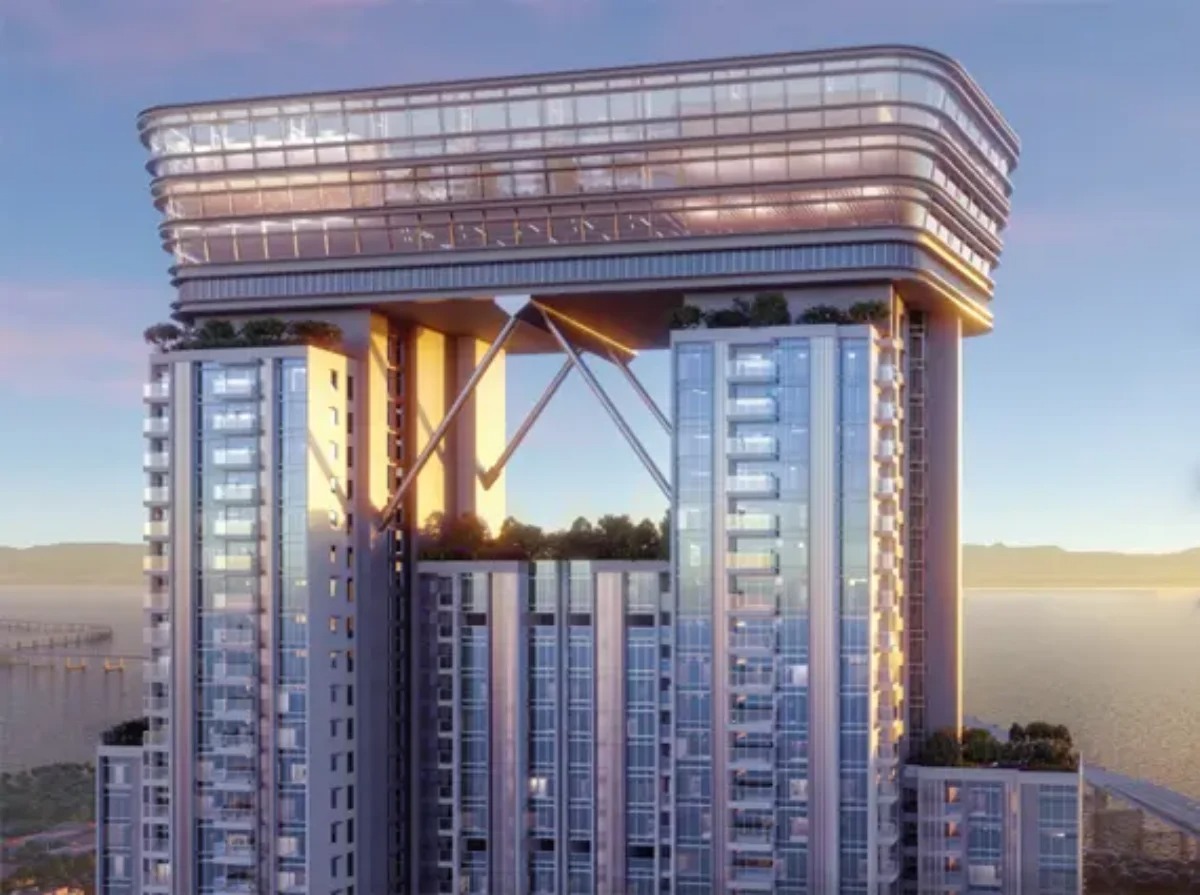
“Metro-view” towers
Rental guarantee schemes for investors
Walk-to-work lifestyle plans
The 2025–2030 Metro expansion will redefine property dynamics across Mumbai and Navi Mumbai. Whether you're a first-time buyer, investor, or NRI looking to re-enter the Indian market, this is the right time to buy in emerging Metro corridors.
Explore Metro-centric properties handpicked by experts at
HomeSeekersIndia.com
We offer curated listings in residential & commercial spaces with top builder tie-ups and best prices.
Contact us now for a free consultation and site visit +91 9325709372